
What Is Dropshipping and How Does It Work?
Dropshipping is an e-commerce fulfillment method where a store sells products without holding inventory. Orders are sent directly from third-party suppliers to the end consumer.
ON THIS PAGE
What Is Dropshipping and How Does It Work? For entrepreneurs and enterprise brands looking to diversify their fulfillment models, understanding this retail method is critical. Dropshipping is an e-commerce fulfillment method where a store sells products without holding inventory. Orders are sent directly from third-party suppliers to the end consumer. This structural setup shifts the capital requirement away from upfront warehousing toward digital marketing, user acquisition, and technical optimization. This technical analysis explores the systemic framework of dropshipping, detailing the operational realities, cost structures, supply chain dynamics, and regulatory compliance requirements necessary to run a sustainable digital retail business.
What Is Dropshipping?

Defining the Dropshipping Business Model
At its core, dropshipping is an inventory-free retail arrangement. In a traditional commerce ecosystem, a merchant must allocate capital to purchase bulk inventory, secure physical warehouse space, manage logistics personnel, and coordinate localized or international shipping. In contrast, the dropshipping business model entirely decouples the customer acquisition and front-end transaction phases from physical supply chain management. The merchant operates as a technical and marketing intermediary.
When a transaction occurs on the retailer’s e-commerce platform, the retailer purchases the item from a third-party supplier—typically a manufacturer, major distributor, or specialized wholesaler network—who then packs and dispatches the product directly to the end consumer. The consumer pays retail price, the retailer pays wholesale price, and the residual difference forms the gross profit margin. This arrangement eliminates the immediate need for capital expenditure on physical stock, radically lowering the barrier to entry for digital market entry.
From an infrastructure perspective, this model is heavily reliant on automated data transfer. Real-time API integrations, inventory synchronization protocols, and automated order routing tools must work in unison to maintain accurate product availability and pricing updates. Without robust technical pipelines, merchants run the risk of displaying out-of-stock items, leading to high cart abandonment rates, increased refund frequencies, and systemic brand damage.
Gross profit margins in this model are generally lower than those found in traditional wholesale sourcing. While traditional retail structures command gross margins ranging from 50% to 70%, standard dropshipping margins typically hover between 15% and 30%. This compression occurs because the third-party supplier absorbs the operational risks of holding inventory, single-unit picking, packing, and individual outbound logistics, and charges a premium for these individual fulfillment actions.
How the Dropshipping Business Model Works
Step 1: The Customer Places an Order
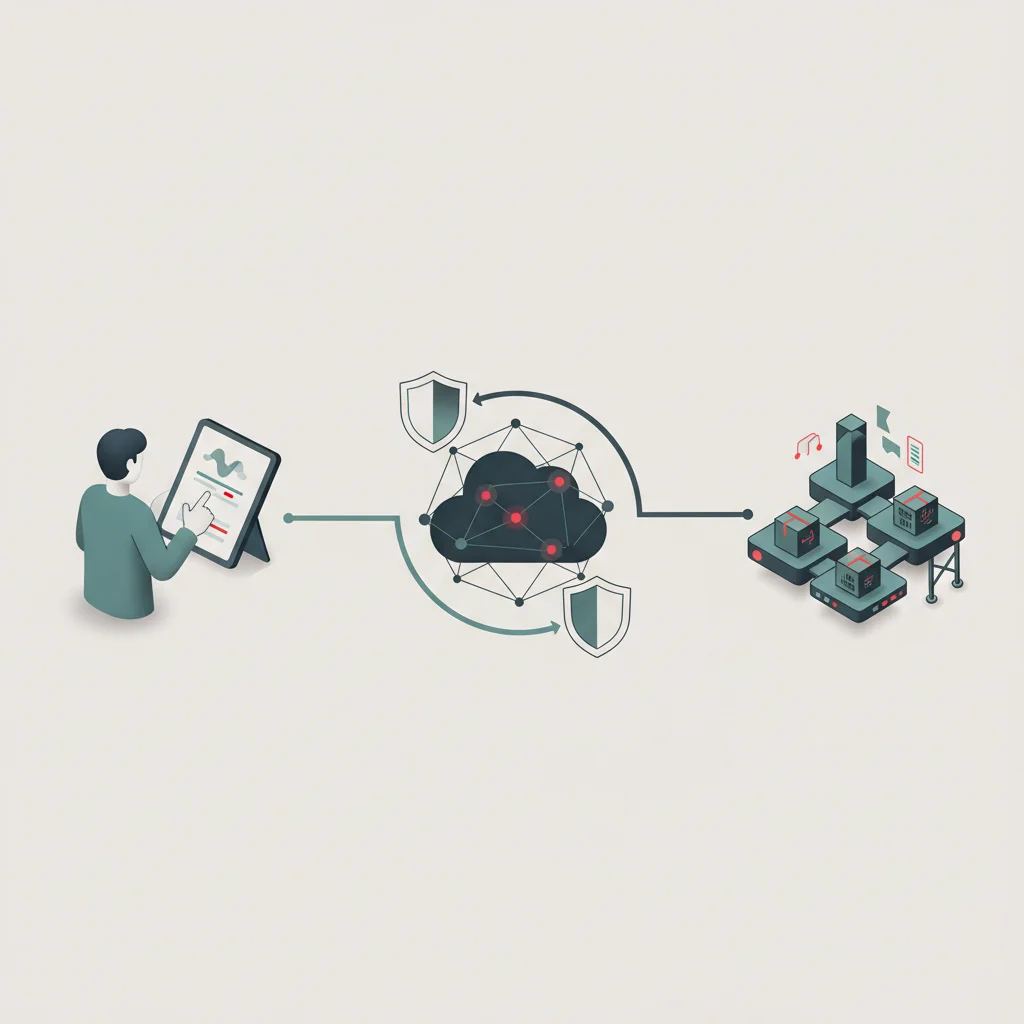
The transaction lifecycle begins when an end consumer visits the retailer’s digital storefront, selects a product, and completes the checkout flow. During this phase, the consumer authorizes a payment via the retailer's payment gateway (such as Stripe, PayPal, or Adyen). The e-commerce store must be engineered to comply with PCI-DSS (Payment Card Industry Data Security Standard) to ensure secure handling of sensitive transaction data.
Once the payment is approved, two crucial data payloads are generated: the transaction receipt containing the retail pricing structure, and the customer delivery details, including exact shipping addresses and contact parameters. This initial customer touchpoint is where conversion rate optimization (CRO) strategies are executed. Merchants must present transparent shipping times, localized currencies, and clear tax calculations (such as VAT or US Sales Tax) directly on the product or checkout pages to prevent abandoned carts.
The payment gateway processes the customer's funds, which are subsequently routed to the merchant's business bank account. Depending on the processor's policies and risk evaluation, these funds may take 1 to 5 business days to clear, or they may be subject to a temporary holding reserve. This processing delay introduces a critical working capital requirement: the retailer must have sufficient secondary capital to fund the wholesale purchase from the supplier immediately, without waiting for the customer's funds to clear.
Step 2: The Retailer Forwards the Order
Upon receipt of the order payload, the retailer must forward the order details to the designated third-party supplier. This process can be handled manually via CSV uploads or spreadsheet sharing, but modern e-commerce enterprises rely on automated middleware. Integration platforms (such as DSers, CJ Dropshipping, or custom REST API systems) automatically detect new paid orders, parse the required SKUs, map them to the corresponding supplier database, and generate a wholesale purchase request.
The retailer pays the wholesale price of the item plus any applicable shipping and processing fees. This transaction is typically executed using a pre-saved corporate credit card, credit line, or deposit account balance. At this step, the retailer must ensure that the customer's shipping address is precisely mapped to the supplier's shipping fields. Errors in parsing international address fields (such as state codes, ZIP codes, or mobile numbers) can cause immediate shipment failures or deliverability bottlenecks at local customs.
+-------------------+      1. Places Order      +--------------------+
|   End Consumer    | ------------------------> | Retailer (Store)   |
| (Pays Retail Price) |                         | (Captures Payment) |
+-------------------+                           +--------------------+
          ^                                               |
          |                                               | 2. Forwards Order
          | 3. Ships Direct                               |    (Pays Wholesale)
          |                                               v
+-------------------+                           +--------------------+
|  3rd-Party Vendor | <------------------------ |  Wholesale System  |
| (Sells & Packs)   |                           | (Processes Order)  |
+-------------------+                           +--------------------+
Furthermore, this stage presents the primary vulnerability of inventory lag. If the retailer's inventory management system does not synchronize with the supplier's live database in near real-time, the retailer may accept payment for an item that is out of stock at the supplier level. If this occurs, the retailer must either find a backup supplier for the exact SKU, negotiate a shipment delay with the customer, or issue a refund, which incurs non-refundable merchant account processing fees.
Step 3: The Third-Party Supplier Ships the Product
Once the wholesale order is paid and processed, the third-party supplier takes full operational control of the physical fulfillment. The supplier's warehouse personnel pick the item from their storage racks, perform quality control, and package the unit. To maintain brand integrity, professional suppliers use "white-label" or blind dropshipping packages. This packaging contains no marketing materials, invoices, or branding of the supplier; instead, the exterior label lists the retailer as the merchant of record.
After packaging is complete, the supplier hands the shipment over to a partner logistics carrier (e.g., DHL, FedEx, USPS, or localized regional couriers). The supplier then generates a unique tracking number and updates the order status in their system. This status update is passed back to the retailer’s e-commerce platform via webhook or API request, automatically triggering an transactional email notification containing the tracking link to the end consumer.
The shipping times associated with this phase vary drastically based on supplier proximity and logistics pathways. Localized dropshipping (e.g., US-to-US or EU-to-EU fulfillment) yields shipping times of 2 to 7 business days, whereas cross-border shipping (e.g., East Asia to North America or Europe) can take 10 to 25 business days. Long transit times demand clear tracking transparency, as any delay in the last-mile delivery phase directly correlates with increased customer service ticket volume and higher chargeback ratios.
Key Players in the Dropship Supply Chain
The Manufacturer or Wholesaler
The foundation of the dropship supply chain lies with the entities responsible for producing and warehousing physical goods. Manufacturers build products in volume and typically prefer to sell in bulk to minimize transactional overhead. However, many major manufacturers have established dedicated B2B distribution divisions or partnered with wholesale networks that are willing to accommodate single-unit orders.
These wholesalers purchase massive volumes directly from manufacturers, warehouse the inventory globally, and mark up the price slightly to sell to digital retailers. Their primary responsibilities include maintaining strict product quality control, ensuring consistent stock availability, providing rapid packaging services, and securing favorable shipping rates with global couriers. Wholesalers do not deal with the end public; they operate exclusively in the B2B space, relying on digital merchants to generate consumer demand.
The Retailer (Your Business)
The retailer is the visible face of the transaction and bears the sole responsibility for driving customer demand and managing the brand experience. The retailer owns the digital storefront, selects and curates the SKU catalog, designs and executes digital marketing campaigns (including search, paid social, and organic SEO), and sets the final consumer price.
Beyond marketing, the retailer acts as the customer service shield. When issues arise regarding shipping times, product defects, or missing packages, the consumer interacts exclusively with the retailer. The retailer must manage these issues, issue returns via Return Merchandise Authorization (RMA) workflows, and absorb the financial costs of refunds. Furthermore, the retailer must maintain complete regulatory compliance, including managing data privacy under frameworks like GDPR or CCPA and filing applicable sales taxes in jurisdictions where they have tax nexus.
The End Consumer
The end consumer is the individual or business purchasing the product from the retailer’s digital store. From their perspective, the transaction is identical to any standard e-commerce purchase. They have no direct relationship, contract, or communication with the manufacturer or wholesale supplier.
The consumer’s purchasing decision is influenced by the retailer’s website performance, ease of checkout, customer reviews, and clear shipping timelines. Because the consumer holds the ultimate purchasing power, their post-purchase satisfaction dictates the long-term viability of the business model. Unfavorable customer experiences quickly translate into negative online reviews, driving up future customer acquisition costs (CAC) and potentially triggering payment processor account closures.
Pros and Cons of Dropshipping
Advantages of the Dropshipping Fulfillment Method
Low Initial Capital Requirements: The single most significant advantage of dropshipping is the minimal upfront financial barrier. Because merchants do not purchase inventory until an actual consumer order is secured and paid for, there is no need to commit thousands of dollars to physical stock. This allows bootstrap startups and enterprise divisions to test new product lines with minimal capital risk.
Minimal Overhead Costs: Operating a business that does not manage a warehouse or pack physical packages significantly reduces fixed overhead costs. Retailers do not have to pay for warehouse leases, utilities, packing materials, inventory tracking software, or warehouse labor. A highly scalable dropshipping business can be operated entirely from a remote office using cloud-based digital infrastructure.
Location Independence and Operational Scalability: Because the physical fulfillment is managed entirely by third-party suppliers, the retailer can operate from any geographical location with an internet connection. Scalability is also fundamentally built into the model; when order volume increases from 10 orders a day to 1,000 orders a day, the physical workload falls on the suppliers' infrastructure. The retailer only needs to scale their digital support systems, ad spend, and server resources.
Rapid Product Catalog Iteration: Traditional retailers face immense financial risk when testing new, unproven products, as they are forced to buy minimum order quantities (MOQs). In a dropshipping framework, adding a new category or testing a trending product is as simple as importing the SKU details from the supplier into the e-commerce store. If a product fails to generate interest, it can be deleted immediately without any write-off costs for unsold stock.
Critical Risks and Disadvantages
Suppressed Profit Margins: Because the supplier charges a premium for handling single-unit picking, packing, and individual shipping, the wholesale cost of dropshipped products is significantly higher than buying bulk inventory. These higher COGS (Cost of Goods Sold), combined with rising customer acquisition costs (CAC) via platforms like Meta and Google, often compress net profit margins to 5% to 15%, leaving very little room for operational error.
Loss of Quality Control: When a retailer relies on a third-party supplier to ship products, they are placing their brand reputation entirely in another entity’s hands. If the supplier accidentally ships a defective item, uses low-grade packaging, or omits items from an order, the retailer suffers the customer's wrath. Resolving quality issues requires order-by-order negotiations with suppliers, which can be incredibly time-consuming and costly.
Complex Shipping Logistics: If a retailer sources different products from multiple suppliers, a single customer order containing three different items will result in three separate shipments from different warehouses, potentially at different times and with distinct packaging styles. This scenario multiplies the outbound shipping costs for the retailer, as they must pay separate delivery fees for each supplier while struggle to explain to the customer why their order is arriving in multiple piecemeal deliveries.
Vulnerability to Inventory Outages: Wholesalers and manufacturers sell their stock to hundreds of different retailers simultaneously. Without real-time, automated API-driven inventory synchronization, a retailer may sell a highly profitable item only to find that the supplier has completely run out of stock. This leads to backorders, extended shipping delays, cancelled transactions, and increased card chargeback rates, which can severely damage merchant account standings.
Pros and Cons of Dropshipping
Pros
6 advantages
Minimal Overhead Costs
Operating a business that does not manage a warehouse or pack physical packages significantly reduces fixed overhead costs. Retailers do not have to pay for warehouse leases, utilities, packing materials, inventory tracking software, or warehouse labor. A highly scalable dropshipping business can be operated entirely from a remote office using cloud-based digital infrastructure.
Location Independence and Operational Scalability
Because the physical fulfillment is managed entirely by third-party suppliers, the retailer can operate from any geographical location with an internet connection. Scalability is also fundamentally built into the model; when order volume increases from 10 orders a day to 1,000 orders a day, the physical workload falls on the suppliers' infrastructure. The retailer only needs to scale their digital support systems, ad spend, and server resources.
Suppressed Profit Margins
Because the supplier charges a premium for handling single-unit picking, packing, and individual shipping, the wholesale cost of dropshipped products is significantly higher than buying bulk inventory. These higher COGS (Cost of Goods Sold), combined with rising customer acquisition costs (CAC) via platforms like Meta and Google, often compress net profit margins to 5% to 15%, leaving very little room for operational error.
Loss of Quality Control
When a retailer relies on a third-party supplier to ship products, they are placing their brand reputation entirely in another entity’s hands. If the supplier accidentally ships a defective item, uses low-grade packaging, or omits items from an order, the retailer suffers the customer's wrath. Resolving quality issues requires order-by-order negotiations with suppliers, which can be incredibly time-consuming and costly.
Complex Shipping Logistics
If a retailer sources different products from multiple suppliers, a single customer order containing three different items will result in three separate shipments from different warehouses, potentially at different times and with distinct packaging styles. This scenario multiplies the outbound shipping costs for the retailer, as they must pay separate delivery fees for each supplier while struggle to explain to the customer why their order is arriving in multiple piecemeal deliveries.
Vulnerability to Inventory Outages
Wholesalers and manufacturers sell their stock to hundreds of different retailers simultaneously. Without real-time, automated API-driven inventory synchronization, a retailer may sell a highly profitable item only to find that the supplier has completely run out of stock. This leads to backorders, extended shipping delays, cancelled transactions, and increased card chargeback rates, which can severely damage merchant account standings.
Cons
2 concerns
Low Initial Capital Requirements
The single most significant advantage of dropshipping is the minimal upfront financial barrier. Because merchants do not purchase inventory until an actual consumer order is secured and paid for, there is no need to commit thousands of dollars to physical stock. This allows bootstrap startups and enterprise divisions to test new product lines with minimal capital risk.
Rapid Product Catalog Iteration
Traditional retailers face immense financial risk when testing new, unproven products, as they are forced to buy minimum order quantities (MOQs). In a dropshipping framework, adding a new category or testing a trending product is as simple as importing the SKU details from the supplier into the e-commerce store. If a product fails to generate interest, it can be deleted immediately without any write-off costs for unsold stock.
Dropshipping vs. Traditional E-Commerce Fulfillment
Understanding the Core Differences
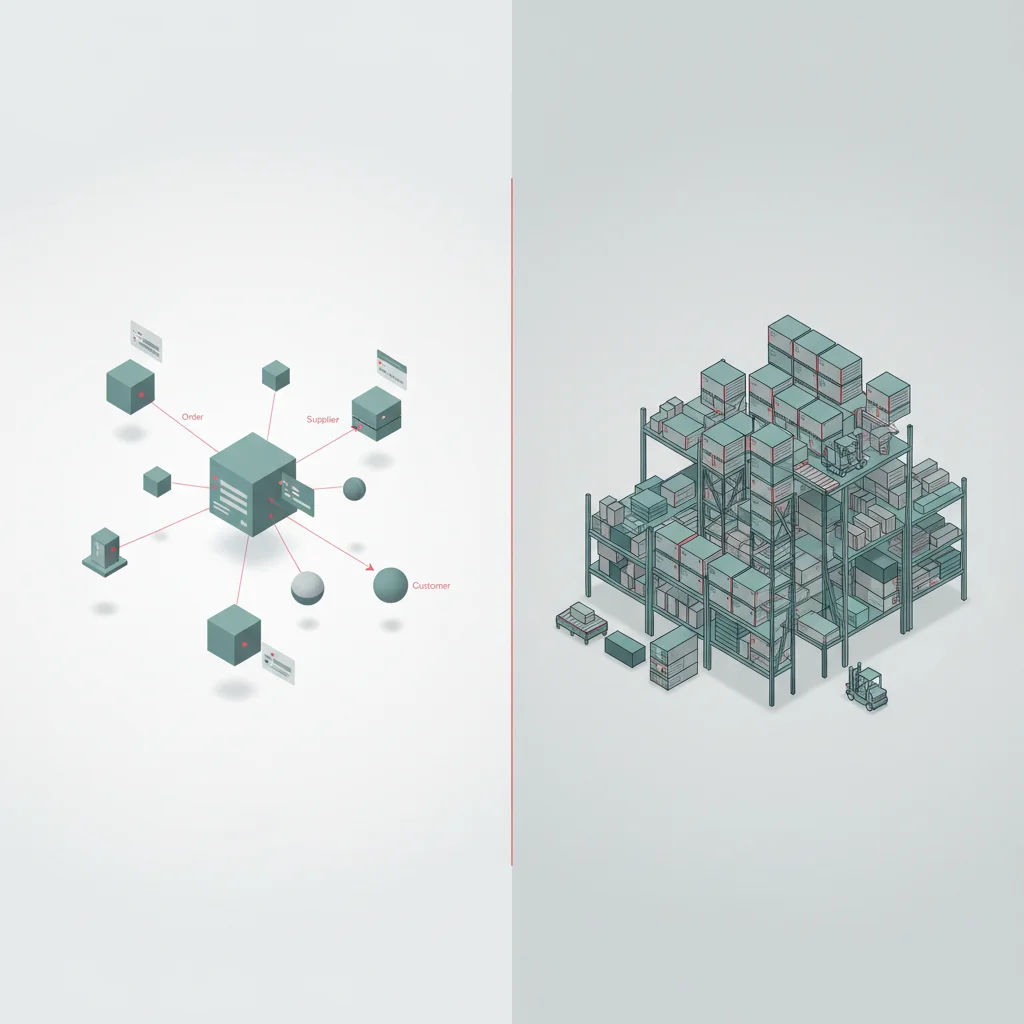
Evaluating whether to utilize dropshipping or transition to a traditional fulfillment model (such as self-warehousing or 3PL integration) requires a deep understanding of the capital, control, and margin trade-offs. Traditional e-commerce fulfillment relies on bulk purchasing. The merchant imports bulk containers of goods, securing massive volume discounts that lower the per-unit Cost of Goods Sold (COGS). This gives the merchant full control over packaging customization, fast regional shipping networks, and strict product quality verification.
However, traditional fulfillment models demand extensive capital. Merchants must commit capital upfront, navigate complex supply chain logistics, import customs protocols, and accept the liability of unsold deadstock. If a product line fails, the business absorbs the loss of the unsold inventory and paying ongoing storage fees. Furthermore, traditional fulfillment is operationally intensive, requiring active management of a physical or third-party logistics (3PL) warehouse partnership.
In contrast, dropshipping shifts the financial focus from inventory capital to marketing and customer acquisition. The operational footprint is minimized, but the retailer sacrifices authority over shipping speeds, product packaging, and quality control. This lack of control makes it challenging to build highly loyal, repeat-customer brands over time, as the product packaging is often standardized, and shipping times are entirely dictated by the supplier's location and shipping partners.
Ultimately, many enterprise digital brands adopt a hybrid approach. They use dropshipping as an agile research and development tool to test new product concepts, analyze real-time consumer demand, and gather conversion rate data. Once a specific SKU proves to have consistent, highly profitable demand, the brand transitions that product to a traditional wholesale or contract manufacturing agreement, importing the item in bulk to secure maximum margins, custom branding, and accelerated regional shipping speeds.
How to Start a Dropshipping Business: A Strategic Approach
1. Conduct Rigorous Market and Competitor Research
Launching a successful dropshipping business requires avoiding highly saturated, generic niches. Trying to sell broad consumer electronics or standard apparel puts a brand in direct competition with global retail giants and thousands of low-margin dropshippers. Instead, focus on identifying highly specific, passionate micro-niches or underserved B2B product categories where competition is fragmented.
Utilize data-driven keyword tools (such as Google Keyword Planner, Ahrefs, and SEMrush) to analyze monthly search volumes, search intent, and paid search competitiveness. Look for product categories with consistent year-round search volume rather than highly seasonal trends. Additionally, evaluate social media ad transparency platforms (like the Meta Ad Library) to analyze what active ad creative competitors are running, their pricing strategies, and their landing page layouts.
When evaluating a potential niche, calculate the product's average perceived retail value. High-ticket dropshipping (selling products with a retail value over $500, such as medical equipment, specialized commercial tools, or home infrared saunas) yields significantly larger nominal profit margins per transaction. A 20% margin on a $1,000 product ($200 net profit) provides far more room to absorb customer acquisition costs than a 20% margin on a $20 product ($4 net profit).
2. Vet and Select Reliable Suppliers
The selection of supply chain partners is the single most critical factor in mitigating operational risk. When searching for suppliers on platforms like Alibaba, AliExpress, or wholesale directories like ThomasNet and Worldwide Brands, avoid working with unregulated trading companies. Instead, target manufacturers or direct, vetted primary distributors who have established API capabilities and dedicated fulfillment departments.
Conduct a rigorous vetting process. Order product samples to your own address to perform a thorough physical quality control audit, evaluate packaging durability, and measure actual shipping times against the supplier's stated SLAs. Communicate directly with supplier representatives to evaluate their language proficiency, technical integration support, and responsiveness. Establish a clear service level agreement (SLA) regarding order processing times, return policies, and defective product replacement procedures.
3. Set Up Your E-Commerce Store and Legal Framework
The next phase is building the digital infrastructure and establishing a compliant corporate entity. Select an e-commerce platform that fits your technical capabilities and scaling goals. Shopify remains the industry standard for rapid deployment due to its extensive ecosystem of dropshipping applications, payment gateway integrations, and robust hosting infrastructure. WooCommerce offers superior flexibility, open-source customization, and lower ongoing platform fees, though it requires active hosting and security management.
                  +-----------------------------------+
                  |  E-Commerce Platform Selection    |
                  |  (Shopify, WooCommerce, Custom)   |
                  +-----------------------------------+
                                    |
                                    v
                  +-----------------------------------+
                  |  Payment Gateway Integration      |
                  |  (Stripe, PayPal - PCI Compliant) |
                  +-----------------------------------+
                                    |
                                    v
                  +-----------------------------------+
                  |  Inventory Sync Middleware (API)  |
                  |  (DSers, CJ Dropshipping, Custom) |
                  +-----------------------------------+
                                    |
                                    v
                  +-----------------------------------+
                  |  Legal Policy & Tax Architecture  |
                  |  (GDPR/KVKK, Terms, Sales Tax)   |
                  +-----------------------------------+
Simultaneously, establish the business's legal framework. Register a formal corporate entity (such as an LLC or Corporation) to shield yourself from personal liability. Acquire the necessary business licenses, open a dedicated commercial bank account, and secure business credit lines. Integrate robust legal agreements on your website, including dynamic Terms of Service, a comprehensive Refund and Return Policy, and a GDPR-compliant Privacy Policy that clearly outlines how customer data is processed and shared with external third-party suppliers.
4. Implement Customer Acquisition Strategies
With the digital infrastructure built and supply lines secure, the focus must shift to generating profitable customer acquisition channels. Relying entirely on paid social ads can be highly risky due to rising CPMs (Cost Per Mille) and platform ad policy shifts. A resilient marketing strategy combines short-term paid traffic generation with long-term organic growth engines.
Invest in a robust SEO (Search Engine Optimization) architecture. Produce high-value, information-dense, and technically optimized content that addresses customer pain points, product comparisons, and detailed buying guides. Optimize the on-page SEO of your category and product pages, ensuring schema markup is correctly applied to product prices, reviews, and availability, allowing search engines to crawl and feature your site in rich snippets.
Complement organic efforts with highly targeted PPC (Pay-Per-Click) advertising, such as Google Shopping and Meta Ads. Implement precise conversion tracking webhooks and tracking pixels to train ad platform algorithms on high-value purchasing events. Continuously test ad creative variations, landing page copy, and checkout processes to optimize your store’s conversion rate, thereby driving down overall Customer Acquisition Costs (CAC).
Common Pitfalls: Why Many Dropshippers Fail
Poor Supplier Selection and Management
The most common point of failure for dropshipping stores is partnering with low-quality, unresponsive, or unvetted suppliers. Many amateur merchants import products from generic retail platforms without conducting any direct communication with the actual sellers. This creates structural vulnerabilities, including frequent stockouts, inconsistent product quality, and delayed tracking updates.
When a supplier fails to ship orders within the agreed timeframe, or ships incorrect or damaged SKUs, the retailer faces the immediate consequences. This includes an influx of angry customer support emails, negative public reviews, and high refund requests. If your refund rate exceeds standard merchant account thresholds (typically 1% to 2%), payment gateways like Stripe or PayPal will impose severe financial reserves, hold your capital, or permanently close your processing accounts, effectively paralyzing your business.
High Customer Acquisition Costs (CAC)
Many dropshipping failures are caused by an unsustainable financial model. Many merchants source cheap, low-ticket items with small retail markups (e.g., sourcing an item for $5 and selling it for $15). While a $10 gross profit sounds viable, it is rarely enough to cover real-world customer acquisition costs.
In highly competitive digital ad markets, the cost to secure a single customer purchase through Meta or Google Ads can easily range from $15 to $40. If your Customer Acquisition Cost (CAC) is higher than your average order value (AOV) minus product cost (COGS), your business will lose money on every transaction. Without a robust email marketing backend, upsell funnels, or recurring subscription options to maximize Customer Lifetime Value (LTV), paid advertising can quickly drain your working capital.
Ineffective Customer Service
E-commerce businesses operate in an era of rapid delivery expectations. When customers experience delivery timelines exceeding 10 to 14 days without receiving transparent communication, customer frustration rises. Merchants who fail to establish a responsive, professional customer support framework will quickly see their businesses collapse.
Ignoring customer emails, refusing to process legitimate returns, or failing to provide real-time shipment updates leads to a high volume of credit card chargebacks. Chargebacks are highly damaging to a merchant's reputation; they carry expensive processing penalties (ranging from $15 to $50 per dispute) and directly impact your payment gateway’s risk tier. To prevent this, professional businesses implement multi-channel support desks (using tools like Gorgias or Zendesk), write clear transactional email sequences, and proactively manage delivery issues before the customer resorts to disputing the transaction.
Frequently Asked Questions
Is dropshipping legal and legitimate?
Yes, dropshipping is a fully legal and legitimate retail fulfillment method recognized globally. However, merchants must comply with local tax structures, consumer protection acts, intellectual property laws, and digital data regulations such as GDPR or KVKK.
Is dropshipping still a profitable business model?
Yes, but profit margins are highly dependent on optimized customer acquisition costs, high conversion rates, and strong supplier negotiations. Sustainable businesses typically focus on high-ticket niches or private label agreements to maximize margins.
Can you lose money doing dropshipping?
Yes, failure to calculate returns, marketing spend (CAC), and payment gateway fees can result in net financial losses. Operational costs, such as PPC advertising, can quickly exceed gross margins if conversion rates are too low.
Who handles customer returns in dropshipping?
The retailer must coordinate the return process by establishing a clear Return Merchandise Authorization (RMA) workflow. Customers return products to either the retailer's dedicated return hub or directly to the supplier, depending on the terms of the supplier agreement.
How do I handle long shipping times from suppliers?
Merchants must clearly state delivery timelines on product pages and in checkout flows to manage consumer expectations. Partnering with suppliers that have local, regional warehouses or using expedited shipping networks is essential to minimize delivery delays.
Do I need to register a business entity to start dropshipping?
While some platforms permit registration as an individual, establishing a formal business entity like an LLC or Corp is highly recommended. A formal legal structure limits personal liability and is generally required to integrate high-quality payment gateways.
How does payment processing work in dropshipping?
Customers pay the retailer upfront through a payment gateway, which charges a transaction fee (typically 1.5% to 3.5%). The retailer then uses their own funds to purchase the item from the supplier at a wholesale rate, pocketing the difference.
Can I customize products or packaging when dropshipping?
Yes, many advanced suppliers offer print-on-demand or white-labeling services that allow custom brand logos, tags, and personalized packaging. This requires establishing a robust partnership and often involves meeting specific volume thresholds.